On this page
The crowd calendar
The big markets run on a predictable rhythm, and it repeats every year. The opening week is busy but manageable — locals come out, but the school trips and the weekend day-trippers have not started. The two Saturdays before Christmas are the worst days of the season at every market in Europe, without exception. The final days, 21 to 24 December, are frantic but short, with stalls closing early on Christmas Eve. If your dates are flexible, the first two weeks of December are the season's sweet spot.
Morning vs evening
The market has two quiet faces. The first is the opening hour, when the stalls are setting up, the crowds are thin and the light is right for photographs — 10am at most German markets is empty enough to see the whole square. The second is the last hour before closing, after the dinner crowd has thinned, when the lights do the work and the queues at the food stands shrink to nothing. The crowded middle, from about 4pm to 8pm, is the one everyone pictures and the one to avoid.
The weekday math
Weekdays beat weekends by a wide margin, but not all weekdays are equal. Tuesday and Wednesday are the quietest at almost every big market — Mondays carry the weekend's tail, and Thursdays start the build toward Friday evening. If you are planning a multi-city trip, schedule the biggest markets for the middle of the week and the smaller ones for the edges. The exception is the school-holiday period in the days before Christmas, when the weekday rule collapses and every day draws a crowd.
The lunch window
Between about 12 and 2pm, the market takes a breath. The morning visitors have moved on to lunch and the evening crowd has not arrived, which makes the lunch hour the quietest stretch of the day in most squares. It is also the best time for the food stands: the grills are hot, the queues are short and the mulled wine has not yet reached its evening rush. If you can only visit once, go at lunch and you will see the market at its most civilised.
Notes on the big markets
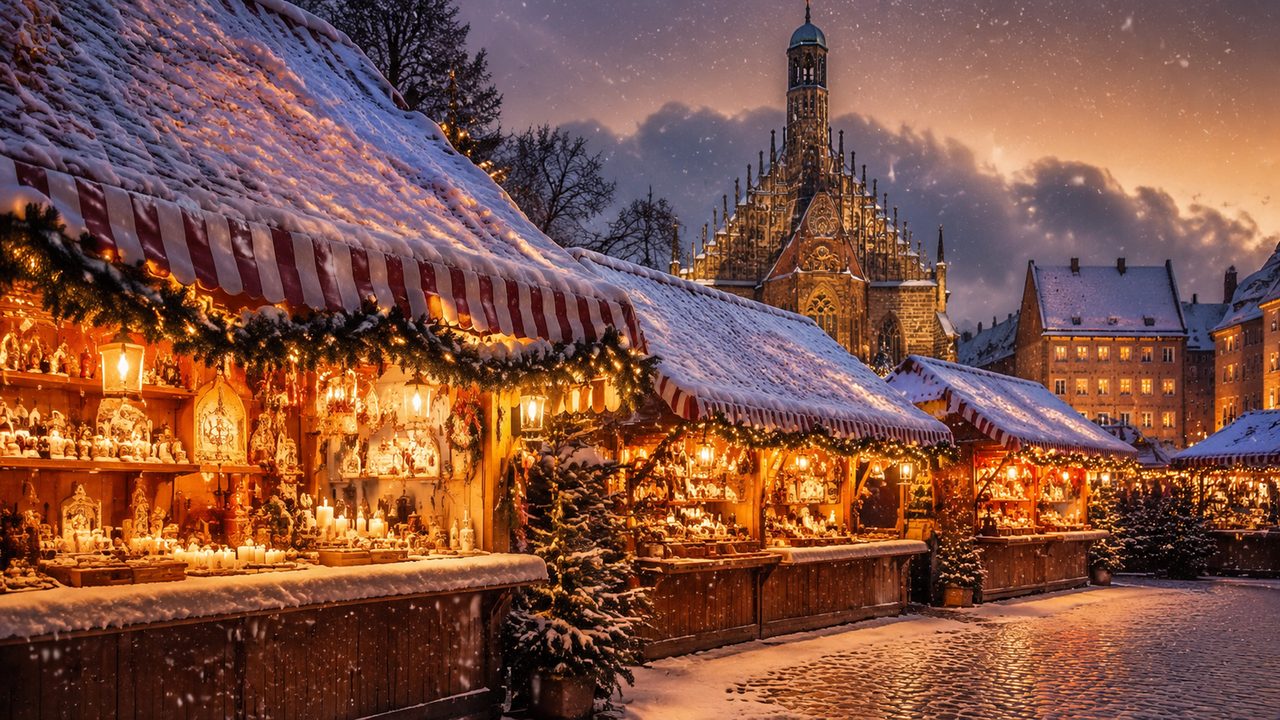
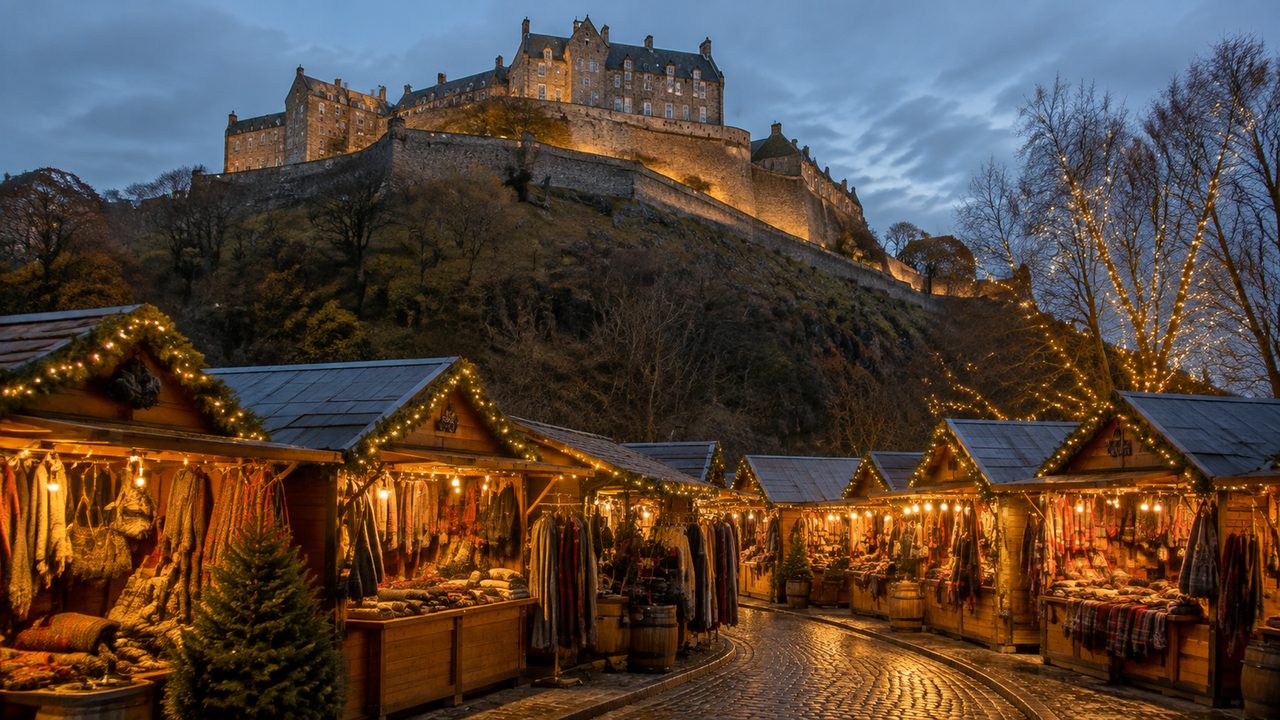
The big names have their own quirks. Nuremberg's quietest window is the first hour on a Tuesday; its worst is the second Saturday of Advent, when the whole city turns out. Vienna's market at Rathausplatz is a family draw all day, so the calmest slot is late evening. Strasbourg empties at lunch and fills after dusk, when the light shows start. Cologne's five markets spread the crowd, which means even its busy evenings are walkable. And Edinburgh's is a fairground as much as a market, so it peaks at the rides — go early for the wheel, late for the stalls.
The tools
Three tools beat any guesswork. First, check the official opening hours before you go — the final days change every year, and a market that closes at 2pm on Christmas Eve is a trap for the unplanned. Second, look at the market's own event calendar and avoid the days of the opening ceremony, the Stollenfest or the light-show premieres, when the square fills for the occasion. Third, use the rain: a wet weekday evening is the emptiest a market ever gets, and the stalls stay open — you just need the right jacket.