On this page
The right hour
Markets with children are a game of hours. The best window is the first hour of opening, when the stalls are fresh, the crowds are thin and the carousel queue is short. The worst hour is the first hour after dark on a weekend, when the square is at its densest and the temperature drops. If you must go in the evening, aim for the last hour before closing, when the families have gone home and the lights are still on. The rule: children do not fail at 4pm; they fail at 7pm in a crowd.
The Kinderweihnacht effect
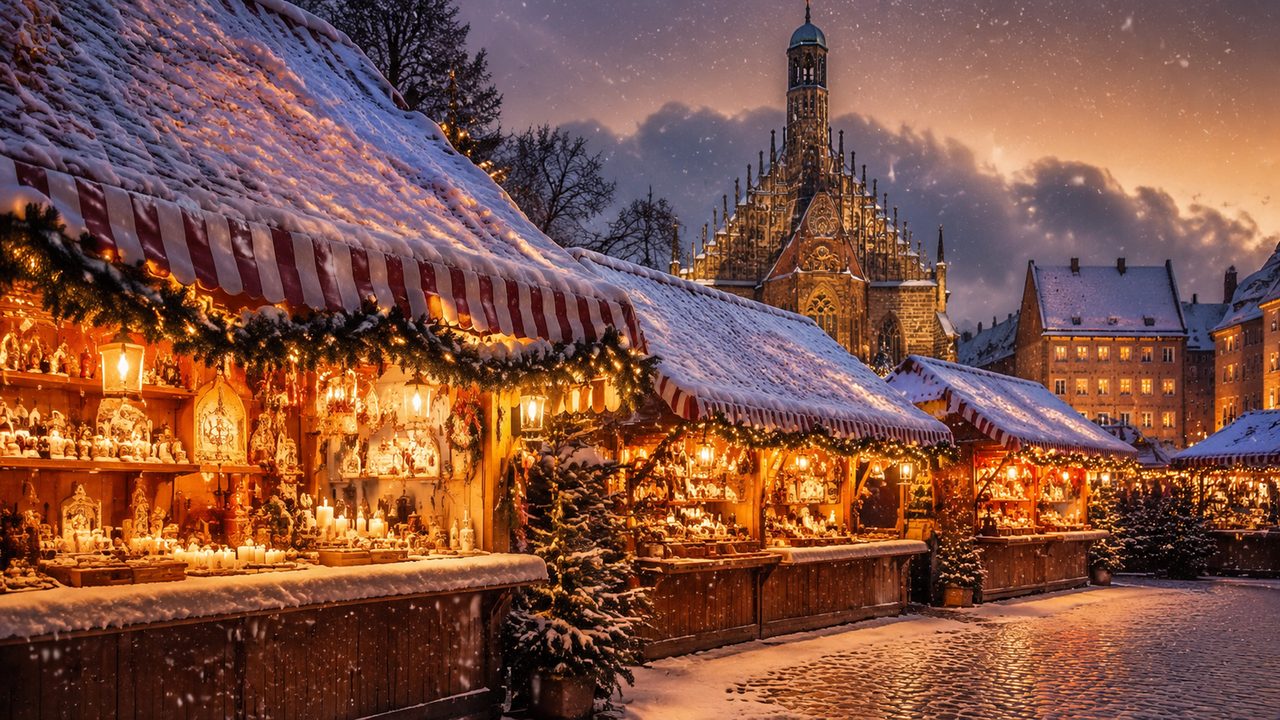
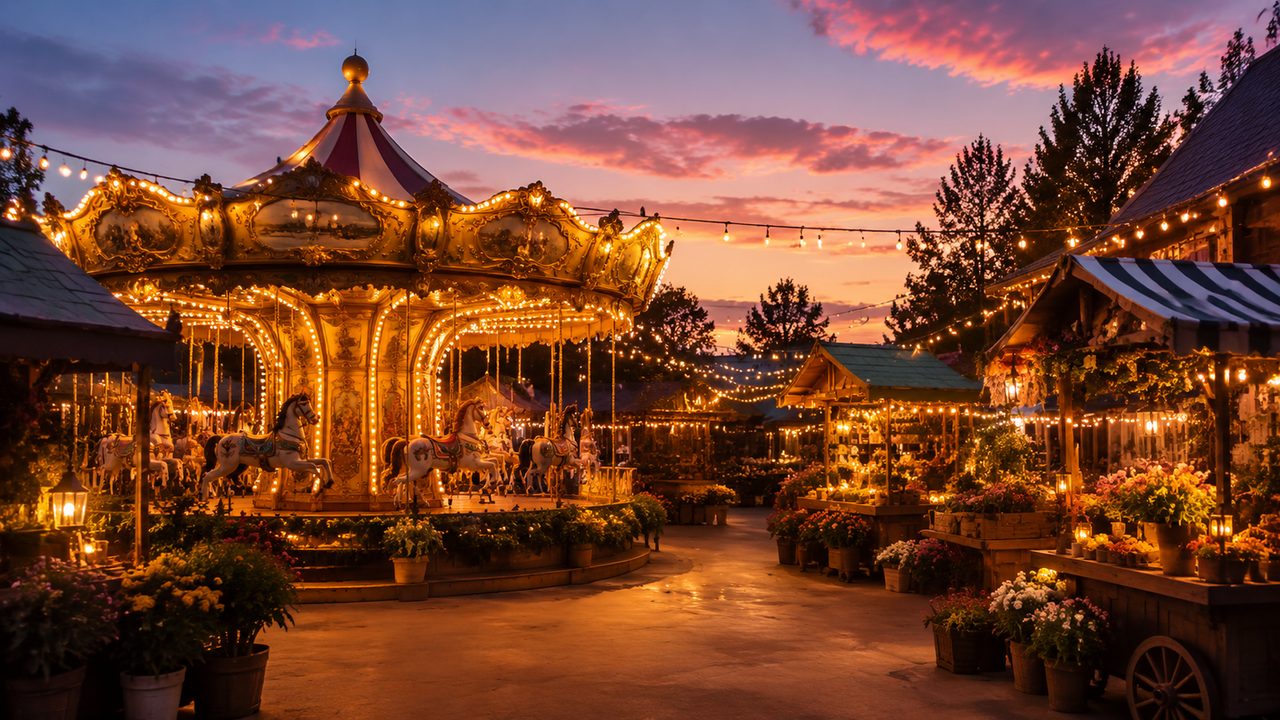
Some markets have a dedicated children's section, and finding it is the single best planning move. Nuremberg's Kinderweihnacht at Hans-Sachs-Platz, a street from the main market, has its own carousel, a puppet theatre and lower, more reachable stalls. Vienna's markets run similar children's corners, and most big German markets have a kids' ride or two. Plan the visit around these: the children's area is the anchor, the food stands are the reward, and the grown-up stalls are what you look at on the way there and back.
Food that works
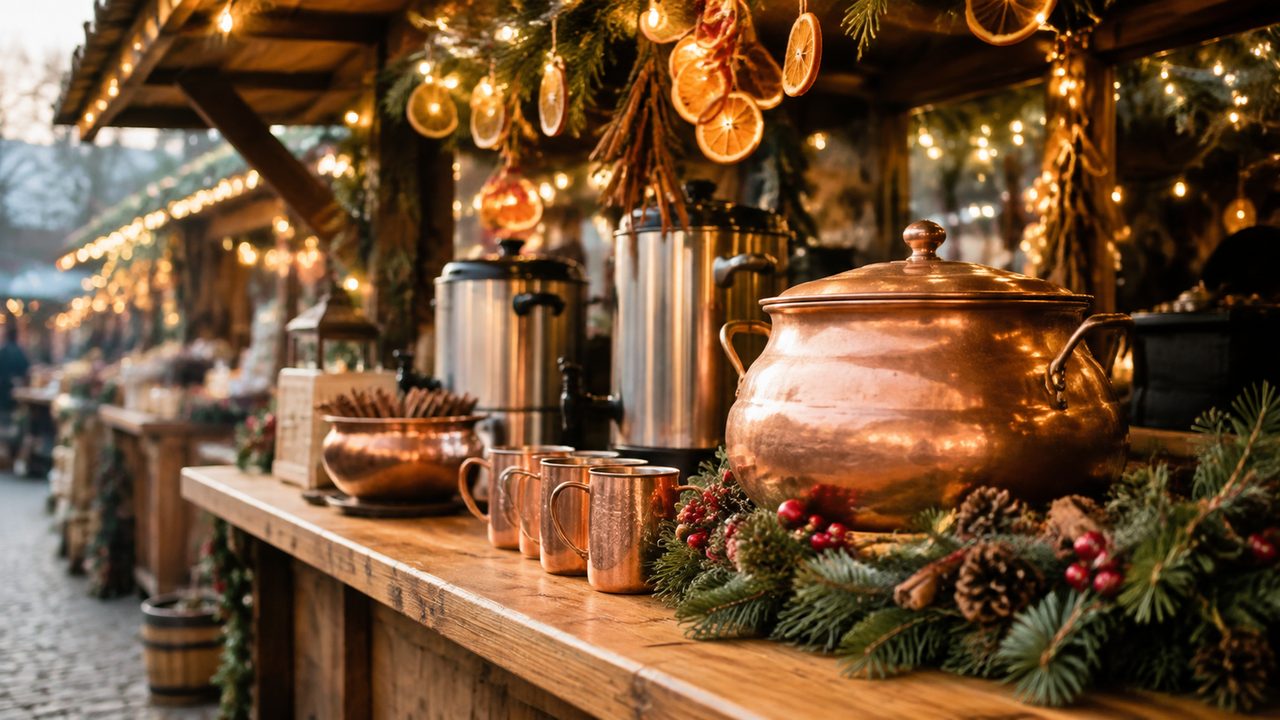
Children's food at a market is the same as adults' food, minus the regrets. The reliable orders are Kinderpunsch, the non-alcoholic mulled juice served everywhere in Germany and Austria, hot chocolate where it is made with real chocolate, and the sweet pastries — chimney cake, crêpes, roasted almonds. Sausage in a roll works too, but cut it before handing it over; market sausages are served straight off the fire and stay dangerously hot. One food order per adult, eaten standing, keeps the group moving and the queues short.
Stroller logistics
The stroller is the make-or-break decision. Cobblestones, crowds and narrow stall lanes make a large pram a burden, and a small umbrella stroller a different burden. If the child can walk, let them walk and carry the stroller folded. If not, accept the stroller as a shopping cart and keep it moving — the moment it stops in a lane, the crowd builds behind it. Bathrooms are another planning point: market toilets cost about a euro, the queues are real, and the department stores on the square are the better bet in most cities.
Warmth
Cold is the enemy of the whole plan. Dress children in the same layering system as yourself — base layer, fleece, shell — and add the two things that actually matter: a hat that covers the ears and gloves that stay on. Hand warmers in the pockets, a scarf that cannot be dropped, and socks thick enough for standing on cold cobblestones. The sign to leave is not tears but quiet; a child who stops talking in a cold square is a child who is done, and the remaining hour is not worth it.
Keep it short
The ninety-minute rule: a market visit with young children should last about ninety minutes, full stop. That is enough for a ride, a hot drink, one careful look at the stalls and a treat to carry home. After ninety minutes, the returns collapse and the evening turns into a negotiation. Plan the exit route in advance — the way out, the warm place to stop, the thing to look forward to — and leave while everyone still likes the market. The measure of success is wanting to come back the next night, not seeing everything tonight.