On this page
The weather you'll actually get
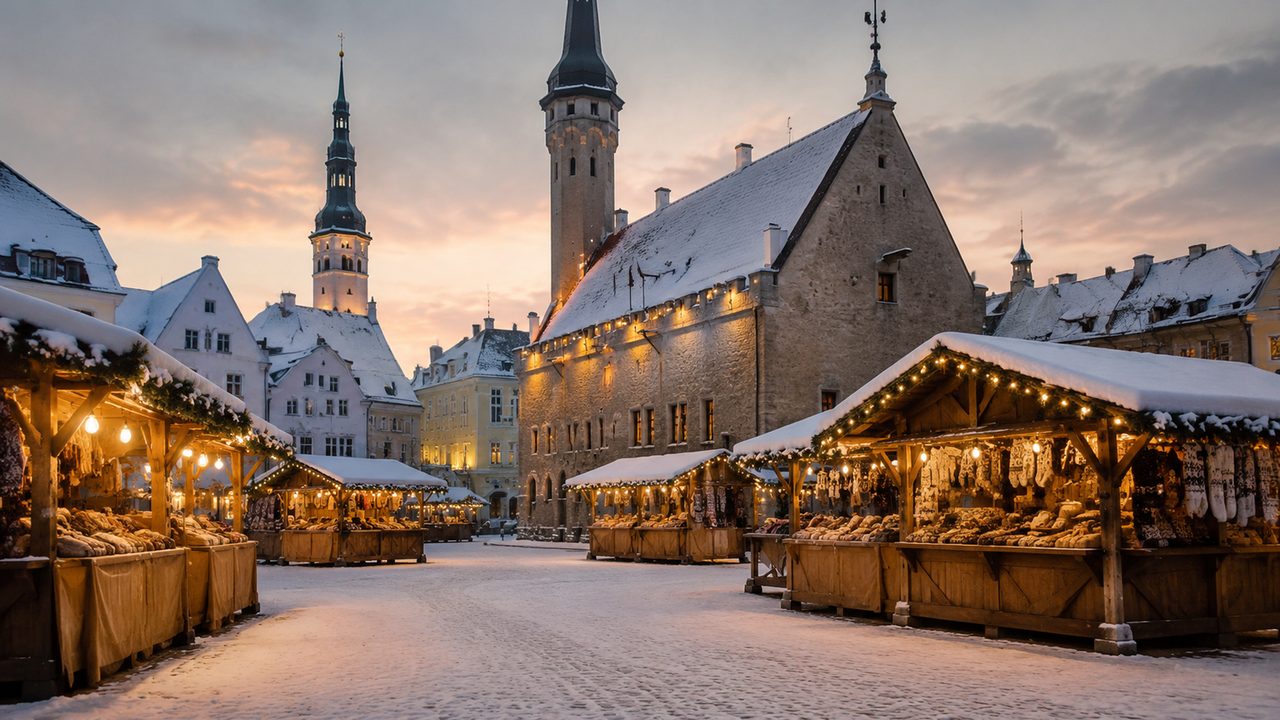
Plan for the average, not the postcard. In December, Berlin and Munich sit around 0°C to 3°C in the daytime; Vienna and Prague are similar; Tallinn and the Baltic cities are colder, often -5°C to -1°C, with nights well below. The bigger variable is not the temperature but the exposure: market squares are open, wind travels down the streets, and standing still for an hour in a crowd feels colder than walking for three. Rain is the second threat — a wet market is a cold market, so the waterproof shell matters as much as the warm layers.
The layering system
Layers beat a single heavy coat for the simple reason that markets are stop-and-go: you stand still, then walk, then queue, then walk again. The working system is three layers: a base layer that wicks — merino or a synthetic, not cotton — a mid layer of fleece or wool for warmth, and a shell that blocks wind and rain. The beauty of the system is control: unzip the shell when the Glühwein warms you, zip it up on the exposed stretch. Two layers below the waist, three above, is the reliable starting point.
Feet first
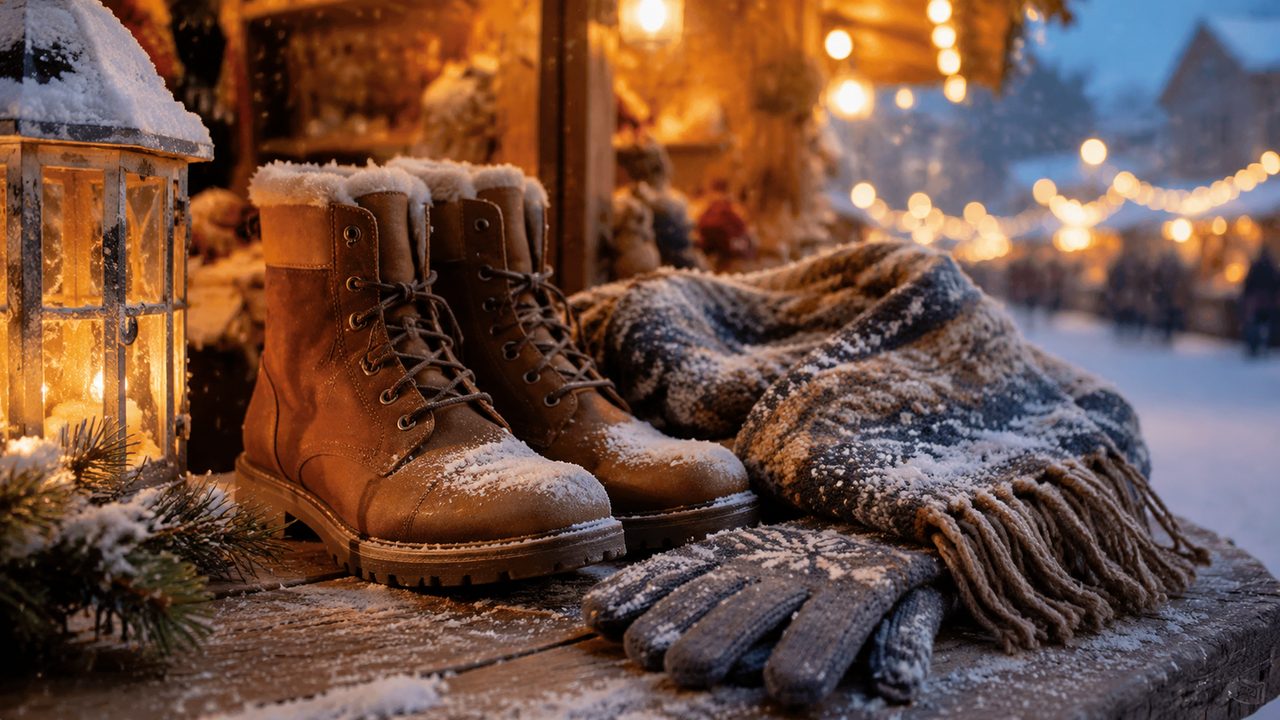
Boots are the most important purchase of the trip. Market squares are cobblestone, and December adds water, frost and the occasional patch of ice, so the requirements are grip, waterproofing and warmth in that order. A good pair of waterproof boots with a grippy sole and wool socks beats any amount of layering above the ankle. Avoid the two classic mistakes: shoes that are waterproof but slippery, and warm boots with no grip. Your feet are doing four hours of standing — they are not the place to economise.
Hands and head
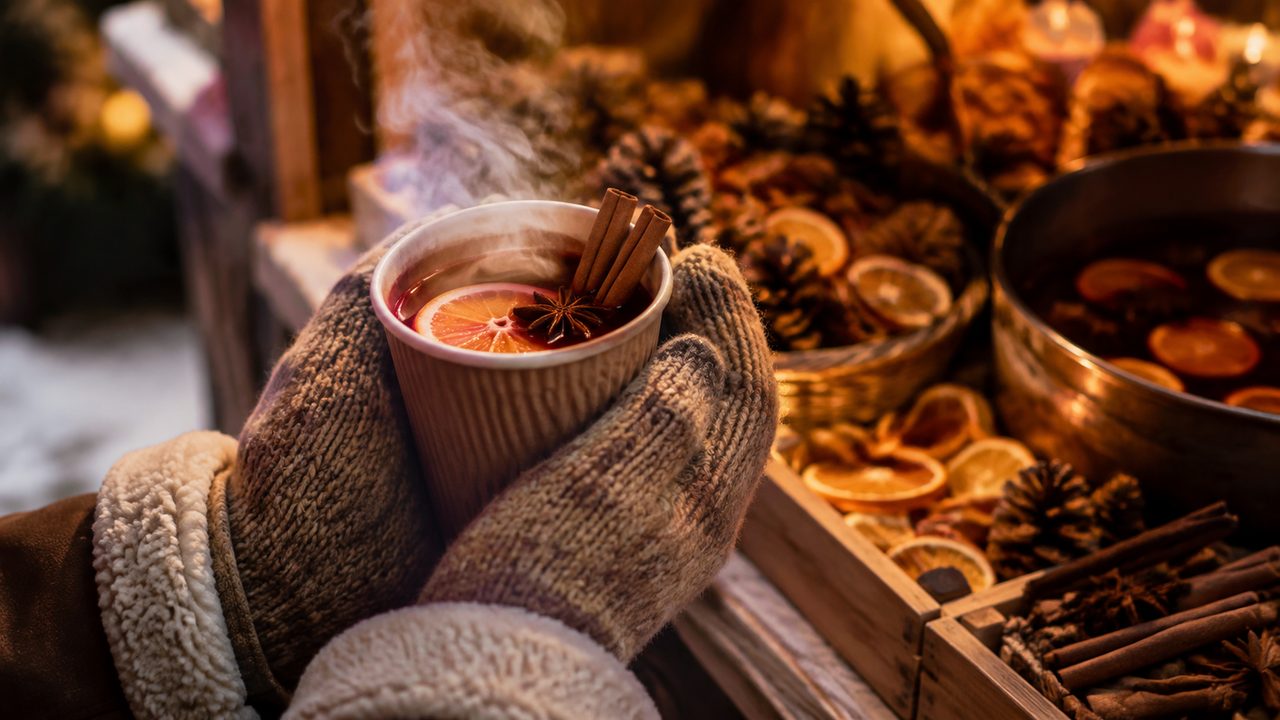
Heat escapes fastest from the head and the hands, and both need a plan. A hat that covers the ears, a scarf that seals the neck, and gloves that let you use your phone — the last point decides everything. The market is a phone-in-hand activity: you photograph, you check the map, you hold the mug. Fingerless gloves with a flip-top mitten, or touchscreen gloves that actually work, are worth their weight. A pair of thin liner gloves under warm mittens is the veteran's answer: warmth when you need it, dexterity when you don't.
The market-specific kit
Beyond clothing, the market demands a small kit. A backpack, not a shoulder bag — both hands free and the load balanced. Small cash notes, since the €50 note at a sausage stand is a conversation you do not need. A spare bag for purchases, folded flat. Hand warmers, the disposable kind, for the last hour of the evening. And if you plan to keep the deposit mug, a cloth to wrap it, because the glaze chips. None of this is heavy; all of it changes the evening.
What not to pack
Three things consistently disappoint. Cotton layers, which soak up sweat and cold and stay wet all evening. An overcoat too bulky to take off, which turns the warm café stop into a storage problem. And heels — the cobblestones are unkind even when dry, and December adds the rest. The counter-intuitive rule is to pack light and layer: a three-layer system with the right boots and gloves beats a heavier suitcase with a single parka. Cold is a packing problem, and it is the only one with a guaranteed answer.