On this page
The buying test
Before you hand over money at any market stall, apply one question: would you still want this in June? The Christmas market sells atmosphere, and the atmosphere does half the buying. A wooden ornament that is charming at 8pm on a lit square is still charming in June — that is the test passing. A plastic snow globe that was charming at 8pm is a burden in June, and that is the test failing. Everything below follows from that single question.
Worth it: local food
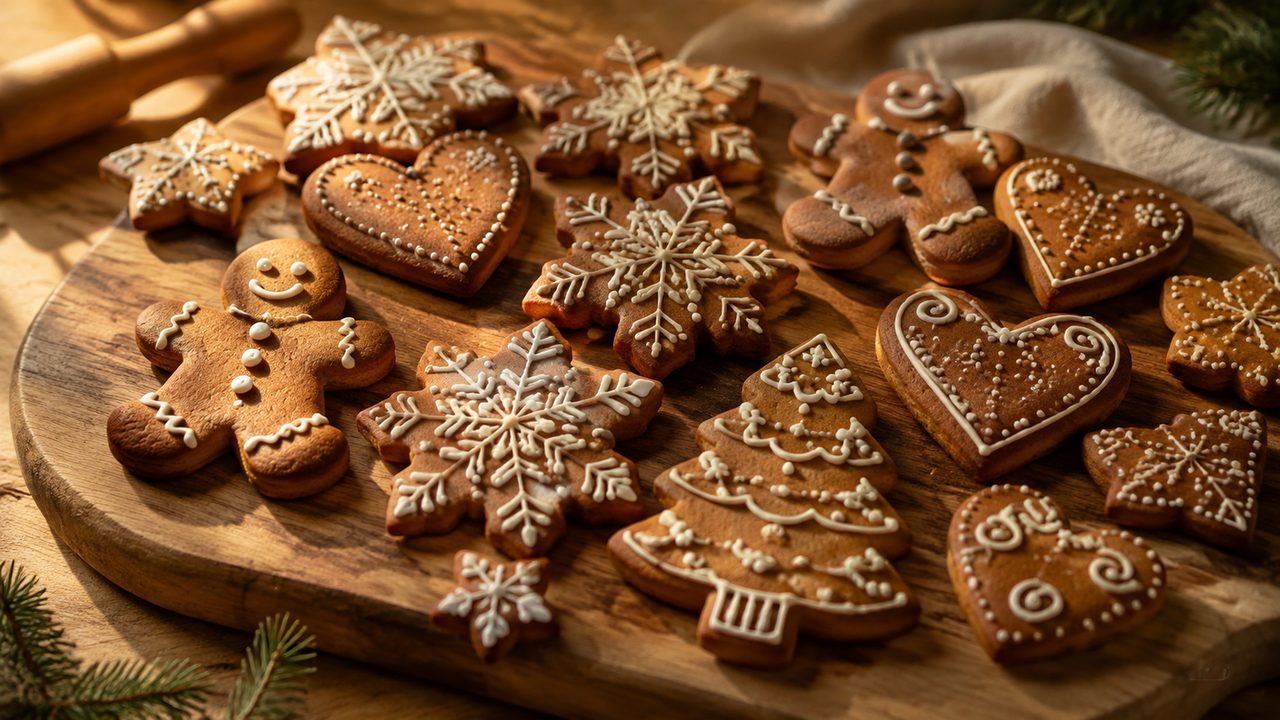
The safest purchases are edible, and the best of them are the ones you cannot buy at home. German markets reward you with Lebkuchen, stollen, honey and mustard; Alsace with bredele; Budapest with paprika and chimney-cake mix. Check the shelf life before buying — honey, jam and spiced biscuits travel well, fresh pastries do not — and buy from the food stalls rather than the souvenir shelves, where the same products sit at double the price. A small tin of regional gingerbread is the perfect market gift: local, light and universally welcome.
Worth it: handmade ornaments
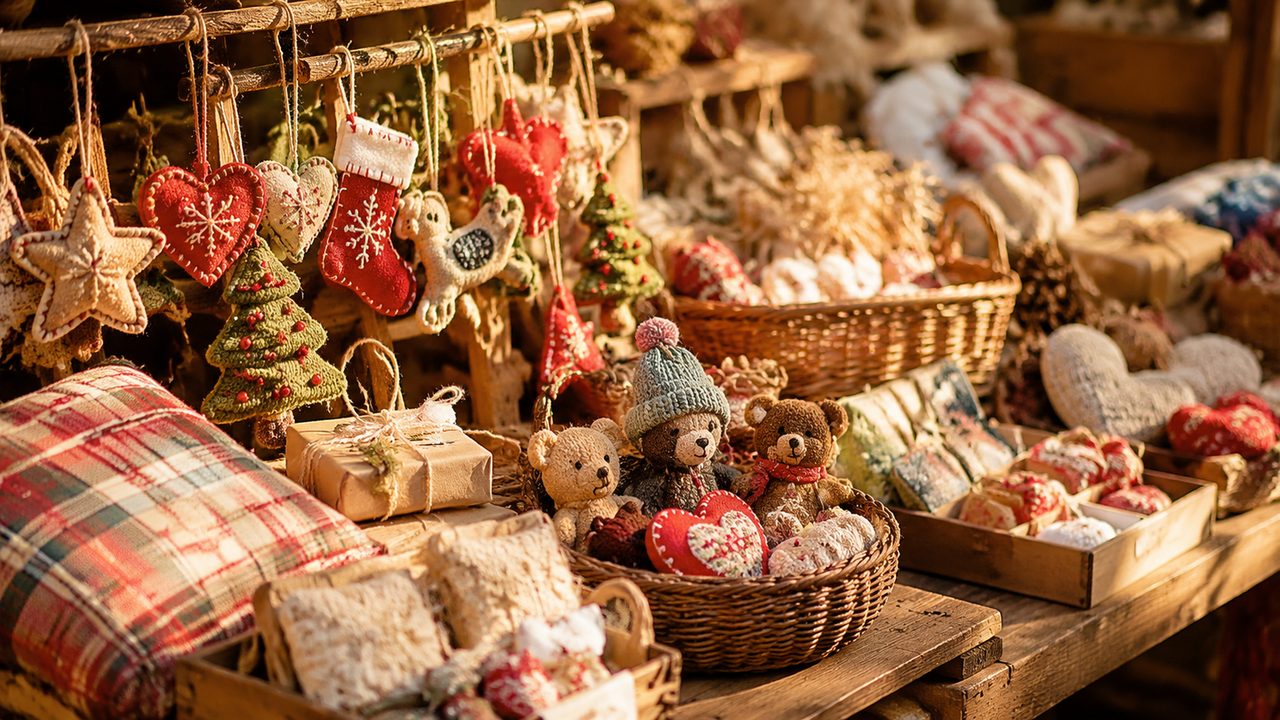
For things, buy handmade and buy small. The glass baubles of German markets, the wooden toys of the Erzgebirge and the wool of Baltic markets all survive the test above, provided they are actually made by hand — ask, or watch the maker work. The markets' own rules help: Nuremberg, for instance, refuses stalls that sell mass-produced plastic. At markets without such rules, look for the workshop stall, where the person selling is the person making. The price is higher and the object is worth it.
Worth it: the mug
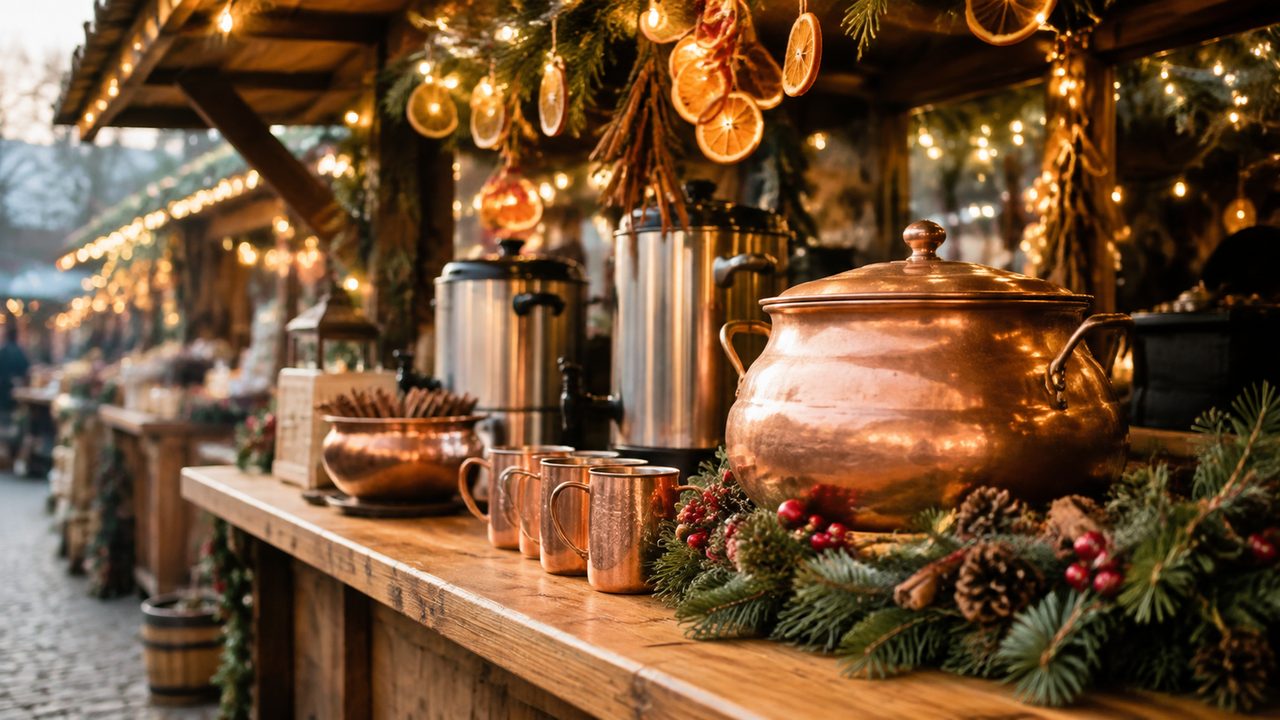
The deposit mug is the market's honest souvenir. Every year the big markets print a new design, the price of your mulled wine includes the cup, and you either return it for the deposit or keep it as the cheapest genuine keepsake of the trip. Collecting one per city makes a set that tells the story of the journey. If you keep it, wrap it before it goes in the bag — the glaze is not as tough as it looks, and a chipped mug is the only kind that disappoints.
Skip: the trinket shelf
The things to skip are the ones that appear at every market in Europe: the identical wooden snowmen, the "traditional" ornaments in shrink wrap, the keyrings and the mugs that are not the deposit mugs. They are not made locally, they are not cheaper than at home, and they fail the June test on sight. A useful rule of thumb: if the same stall's goods would not look out of place in any city in the region, the stall is selling import stock, and your money is better spent at the bakery.
How to carry it home
Carrying is where market purchases go wrong. A backpack beats a shoulder bag in crowds and leaves both hands free for a mug. Wrap glass and ceramics in the paper the stalls provide, and put fragile goods at the top of the bag, not the bottom where they absorb every knock. If you are flying, remember the food rules: soft cheeses, meats and liquids face customs limits at many borders, while biscuits, honey, spices and sealed sweets travel freely. When in doubt, buy the durable food and skip the perishable.
Gifts for people back home
The best market gifts are small, flat, edible or useful. Small, so they fit in a backpack; flat, so they survive it; edible, so they need no explanation; useful, so they are used. A box of bredele, a tin of stollen, a packet of spiced tea, a wooden ornament the size of your palm — each is a better gift than a fridge magnet, and each came from somewhere you can talk about. Buy them on the last day of the trip, after the decisions are made, and you will come home with presents instead of obligations.