On this page
Germany in the Midlands
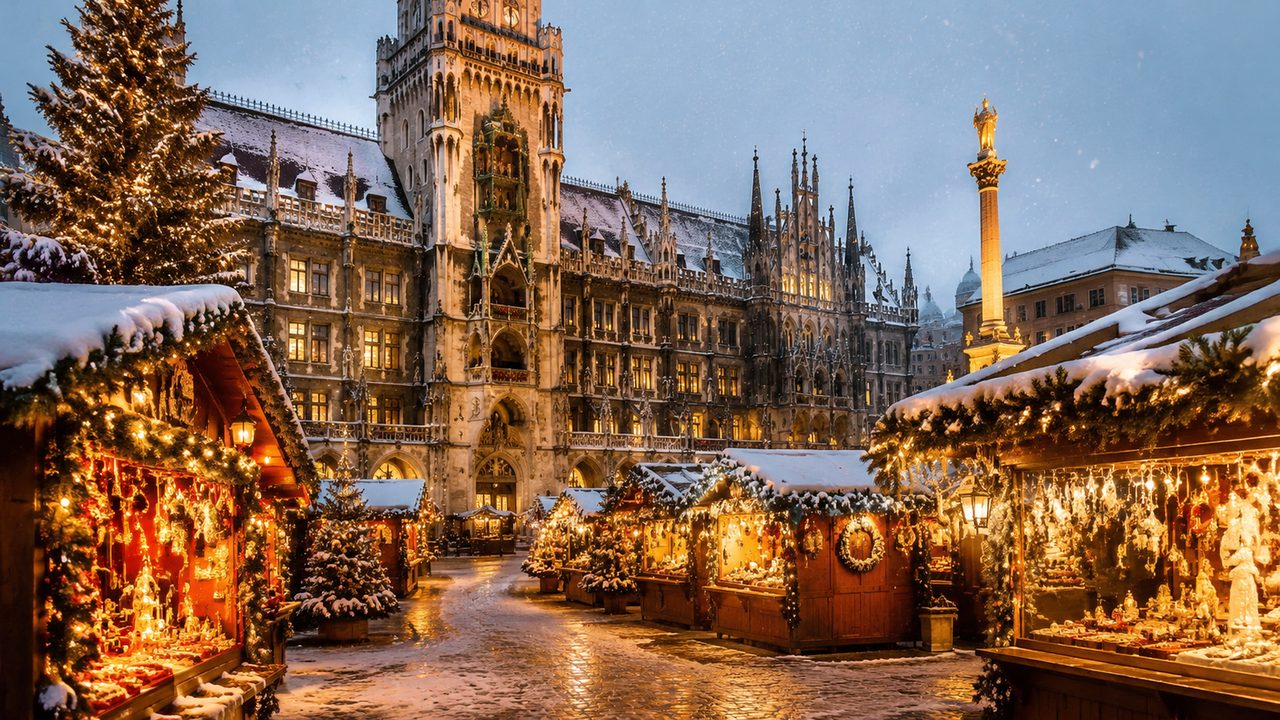
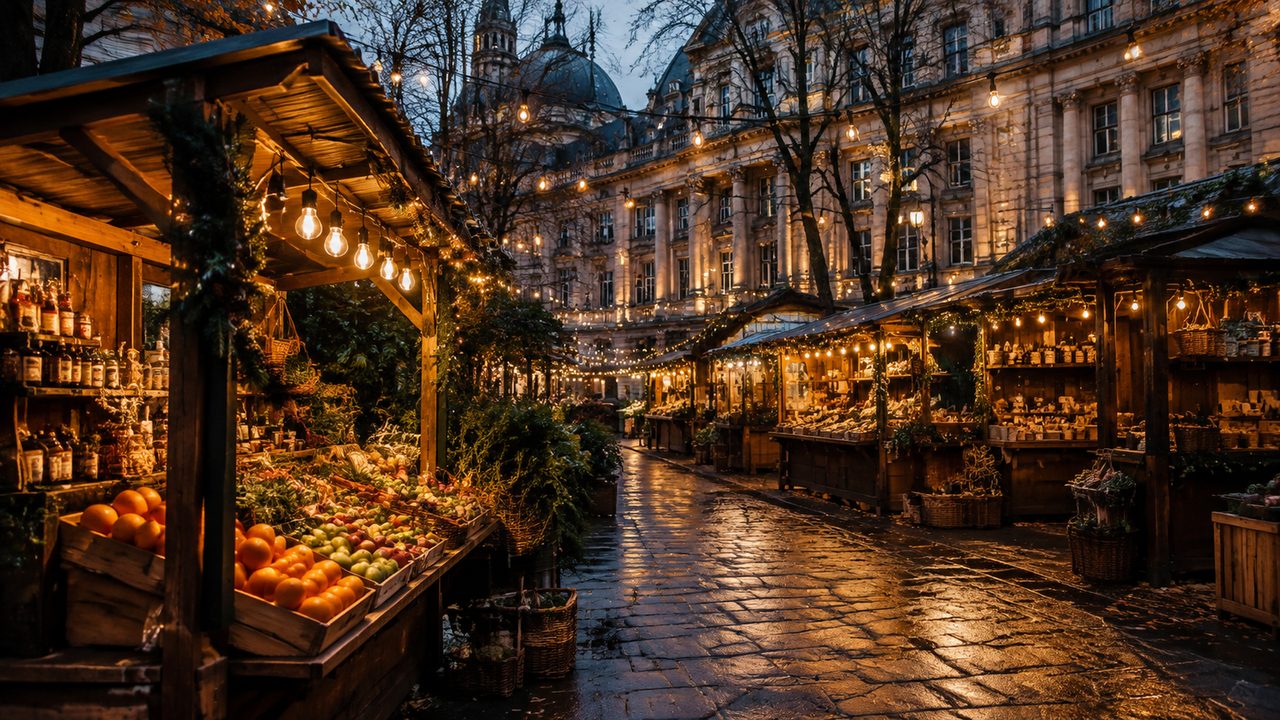
The Frankfurt Christmas Market arrived in Birmingham in 2001, the fruit of a long-running twinning link between the two cities, and it has grown into the largest authentic German market outside Germany and Austria. In recent seasons it has fielded well over a hundred stalls, spreading from Victoria Square down New Street and along the pedestrianised streets around the Council House. The stalls are genuinely German in goods and staffing — many of the operators come over from Germany each year — which is what separates it from a generic British Christmas fair.
What the stalls sell
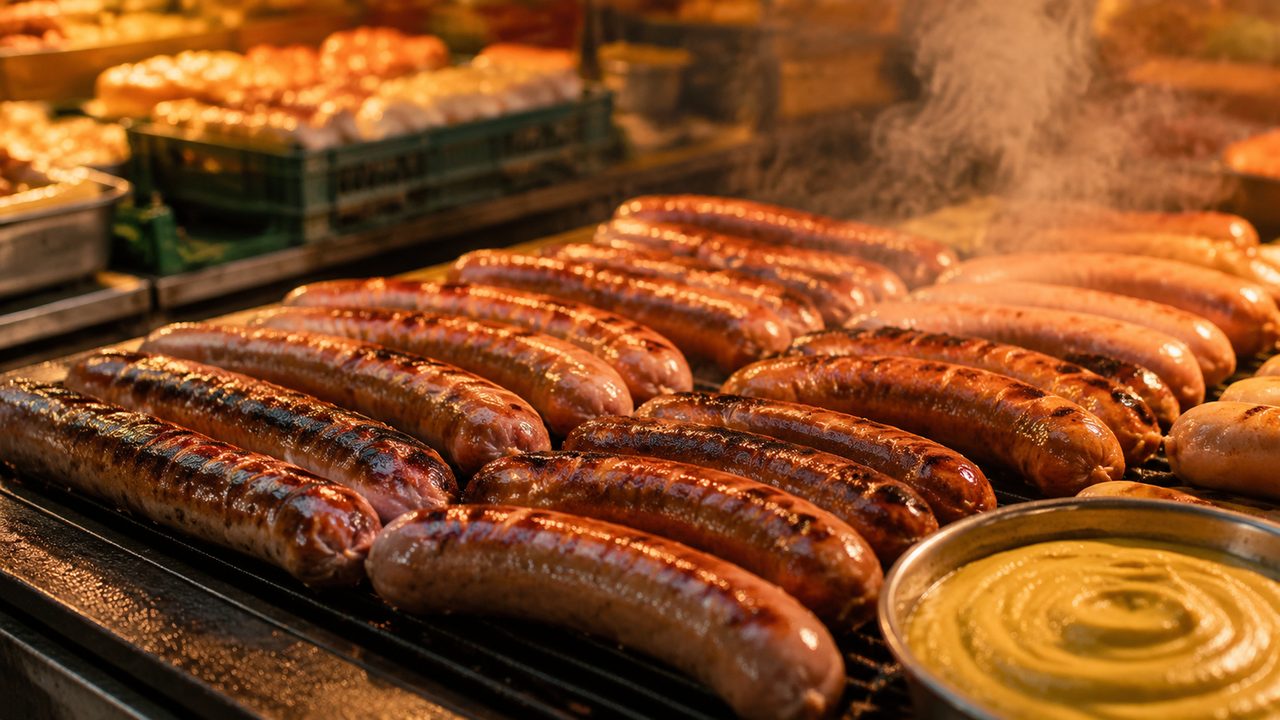
The goods follow the German formula: wooden toys and nutcrackers, glass baubles, candles, tree decorations and the rows of steins and collectible mugs that dominate the souvenir trade. The food side is where the market does its best business — bratwurst in a roll with German mustard, currywurst, roast chestnuts, and spaetzle with cheese in a cup. Prices are a step up from the German originals, as you would expect an hour from the Continent: a sausage runs about £5 to £7 and a Glühwein about £5 to £6, mug included, with the deposit returnable at any stall.
The setting
Birmingham's civic architecture gives the market a backdrop most German towns would envy. Victoria Square sits between the domed Council House and the town hall, with the Floozie in the Jacuzzi fountain at its centre; New Street carries the stalls past the shops of the city core. The best photographs come from the steps of the Council House at dusk, when the stall lights and the garlands line up against the stone. The market is compact enough to walk in an hour and rich enough to justify two visits — one by day, one after the lights come on.
The German things to try
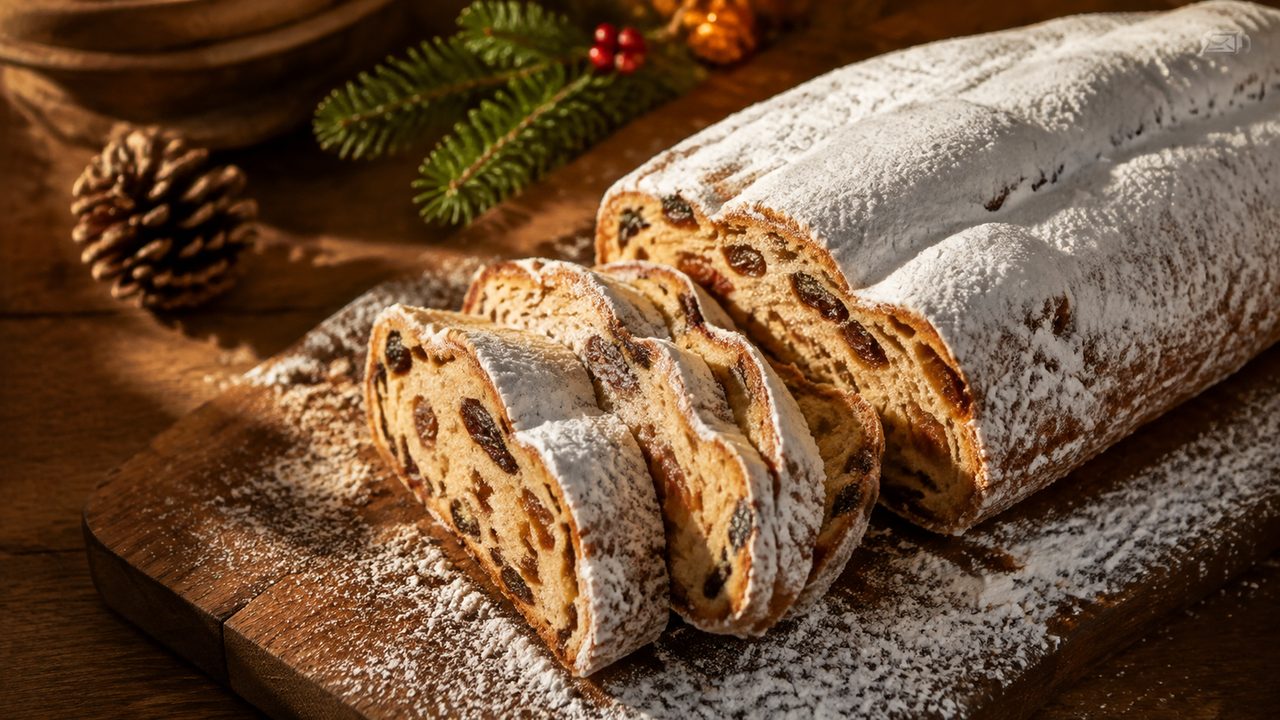
Order the bratwurst first — it is the market's signature and the stall queues tell you which stand is doing it right. Then the Glühwein, served in a collectible mug whose design changes each year; the mugs are the most popular souvenir in the city at Christmas. For something harder to find at home, try the Feuerzangenbowle stand if the market has one, or the stalls selling stollen and lebkuchen by weight. And do not skip the German bakery stalls: the pretzels and the almond pastries travel better than the queues suggest.
When to go
The market runs from early November to Christmas Eve — the 2024 season opened 1 November and closed 24 December — which makes it one of the longest seasons in Europe. The opening weeks are the calmest: the schools have not broken up, the crowds are thin on weekday evenings, and the stalls are fully stocked. The last two weekends before Christmas are the opposite, with New Street at a standstill. Lunchtime on a Tuesday is the reliable quiet slot; Saturday afternoon is the one to avoid.
Practical notes
Birmingham is an easy day trip from London — around 90 minutes by train from Euston to New Street station, which sits at the market's edge. Most stalls take cards, but small cash notes move faster and avoid the card minimums. The market toilets and the warmest indoor spaces are in the surrounding shopping centres, which are open into the evening during December. If you are coming from further afield, book hotels early: the market weekend trade fills the city centre from late November onward.