On this page
The oldest claim in Germany
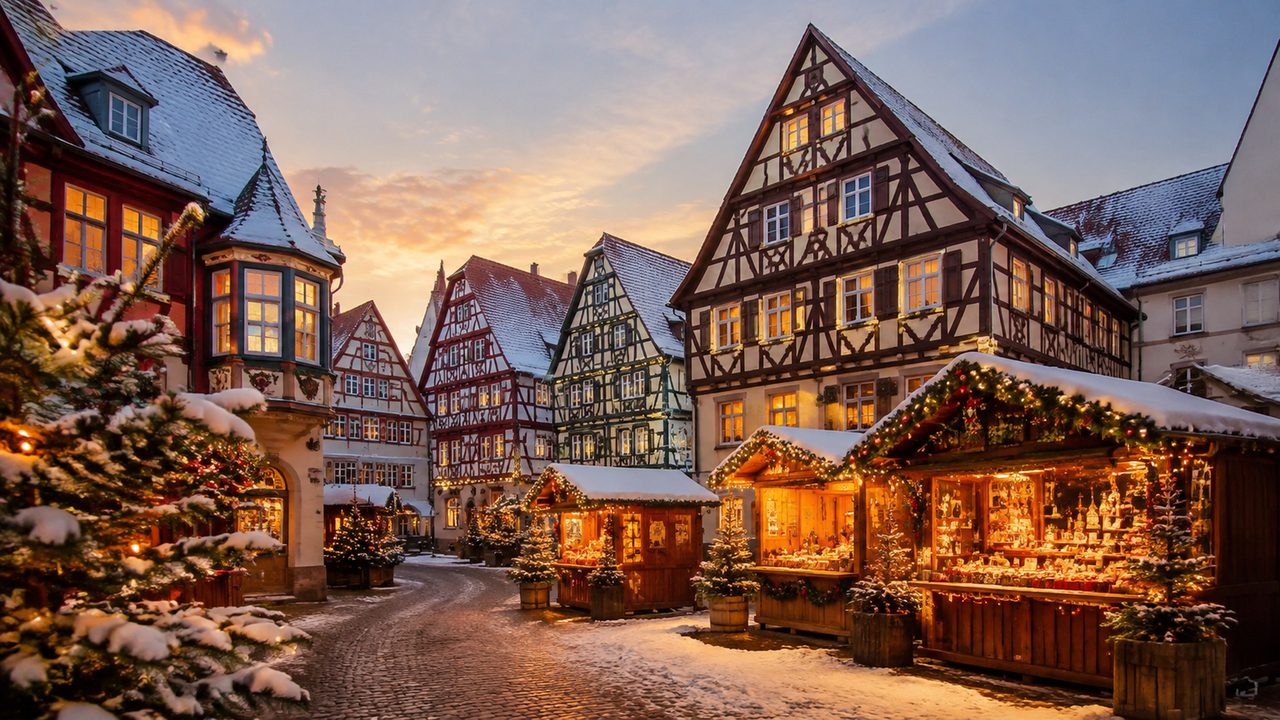
The first written mention of the Dresden Striezelmarkt dates to 1434, which makes it the oldest German Christmas market with a surviving record. The name comes from the Striezel, a yeasted fruit loaf sold at the market, which later generations came to know as Stollen. In December the Altmarkt still fills with roughly 230 stalls, and the square keeps the mood of a civic market rather than a theme park: broad, orderly, and run by the city for the city.
Around the Altmarkt
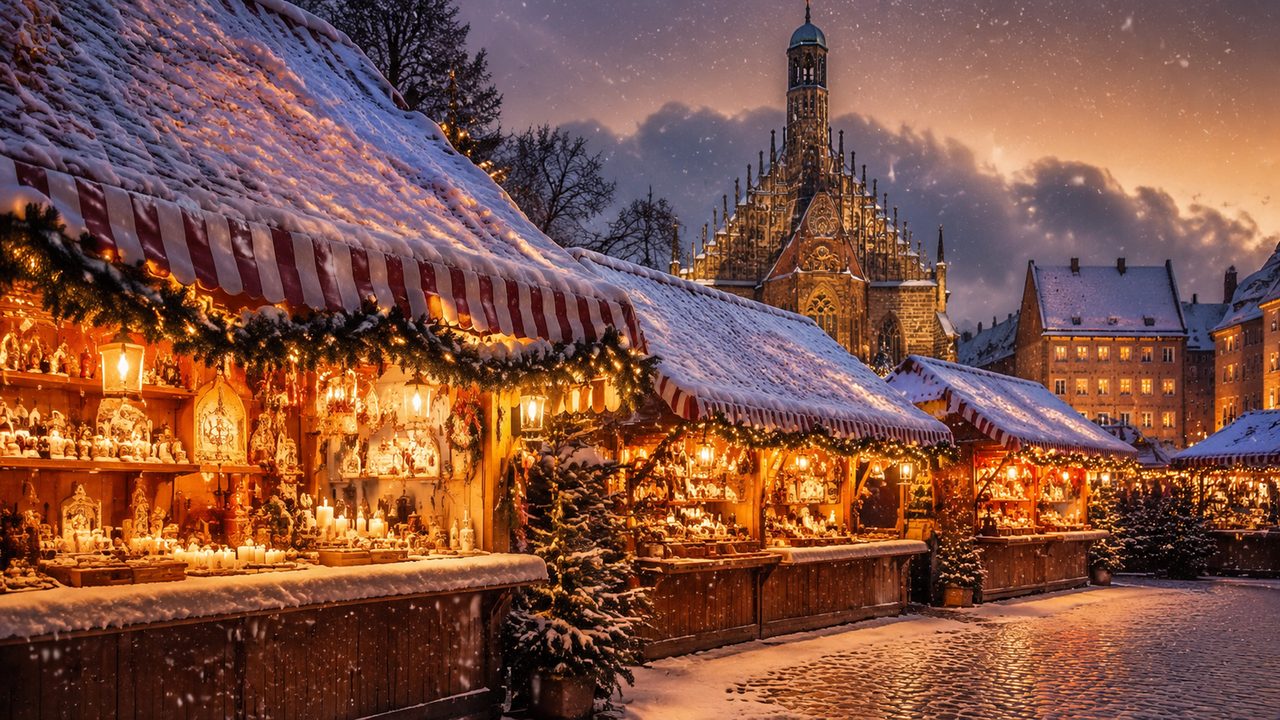
The Altmarkt is a wide rectangle in the heart of old Dresden, ringed by rebuilt baroque facades. The stalls that draw the longest looks are the woodcraft stands from the Erzgebirge, the ore mountains southwest of the city: nutcrackers, Räuchermänner (incense smokers), carved arches and wooden pyramids in every size. The local souvenir is the Pflaumentoffel, a little chimney sweep figure made from prunes and walnuts, sold in a paper sleeve and carried home by children since the 1800s. The most serious craftsmen are usually the quiet stands on the eastern edge of the square, near the Kreuzkirche.
The giant Christmas pyramid
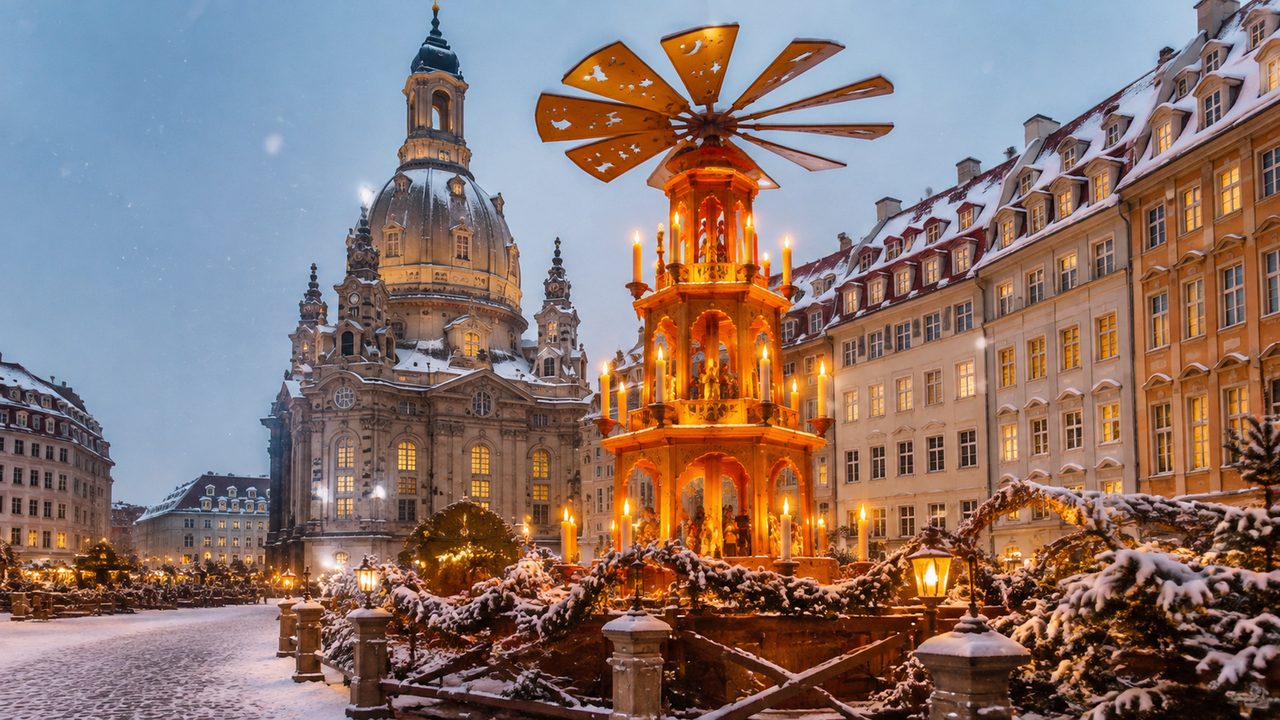
At the south end of the market stands the world's largest Christmas pyramid, built in 1999 and measuring about 14.6 metres to the tip. It rotates slowly, driven by the heat of candles in the lower tiers, and its carved figures climb in stages to a winged angel at the top. It is worth seeing twice: once in daylight, to watch the mechanics, and once at dusk, when the market lights come on and the pyramid becomes the centrepiece of the square. The best photographs are taken from the steps of the Kreuzkirche, which puts the pyramid and the crowd in the same frame.
Stollen, properly
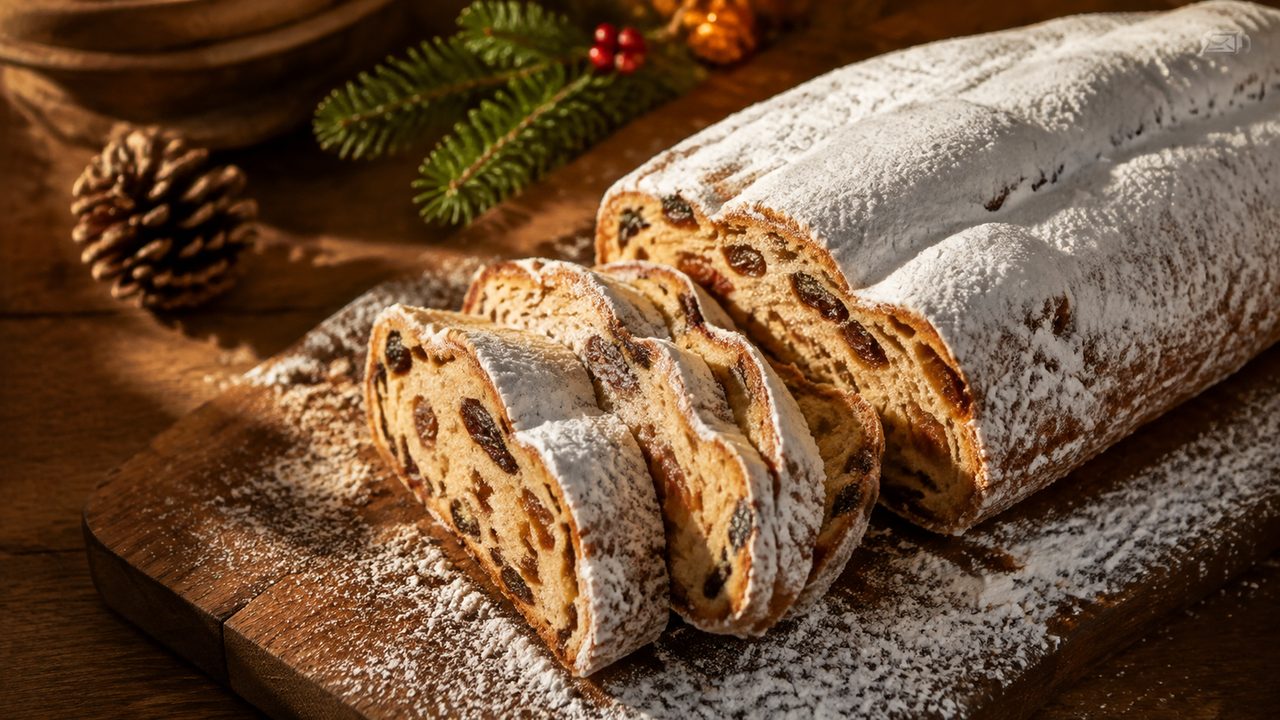
Dresden guards its Stollen. The name "Dresdner Christstollen" is protected, and genuine loaves carry a seal issued by the bakers' association that polices the recipe: butter, dried fruit, almonds and marzipan, and nothing cheap to pad it out. Each December the city bakes a giant Stollen for the Stollenfest, parades it through the streets on a decorated float, and sells it in slices for charity. For everyday purposes, buy a small loaf from a bakery stall on the square, ask for it warm if you can, and eat it within a day or two — the supermarket versions in sealed boxes are a different, sadder thing.
Beyond the square
The Striezelmarkt is the anchor, but Dresden's December spreads well beyond the Altmarkt. Prager Straße, the pedestrian boulevard leading south, continues the fair with gift stalls and food stands. The Romantische Weihnachtsmarkt sets up inside the Stallhof, the Renaissance courtyard of the Dresden Royal Palace, with candles, crafts and a deliberately old-world feel — smaller, quieter and better for presents. The Frauenkirche, with its rebuilt dome, hosts Christmas concerts most evenings, and its cafe terraces are the warm place to end a circuit.
Practical notes
The 2024 Striezelmarkt ran 27 November to 24 December, roughly 10am to 9pm, with Christmas Eve closing early around 2pm. Glühwein costs about €4 to €5 including the mug deposit, and the theatrical local drink is Feuerzangenbowle — mulled wine topped with a rum-soaked sugar loaf that is set alight at the table. Take cash and small notes, and go on a weekday at opening for the quietest circuit. The Saturdays of Advent and the days around the Stollenfest are the busiest. Dresden sits two hours from Berlin and an hour from Prague by train, which makes it a natural stop on a longer market circuit.