On this page
Dress like a local
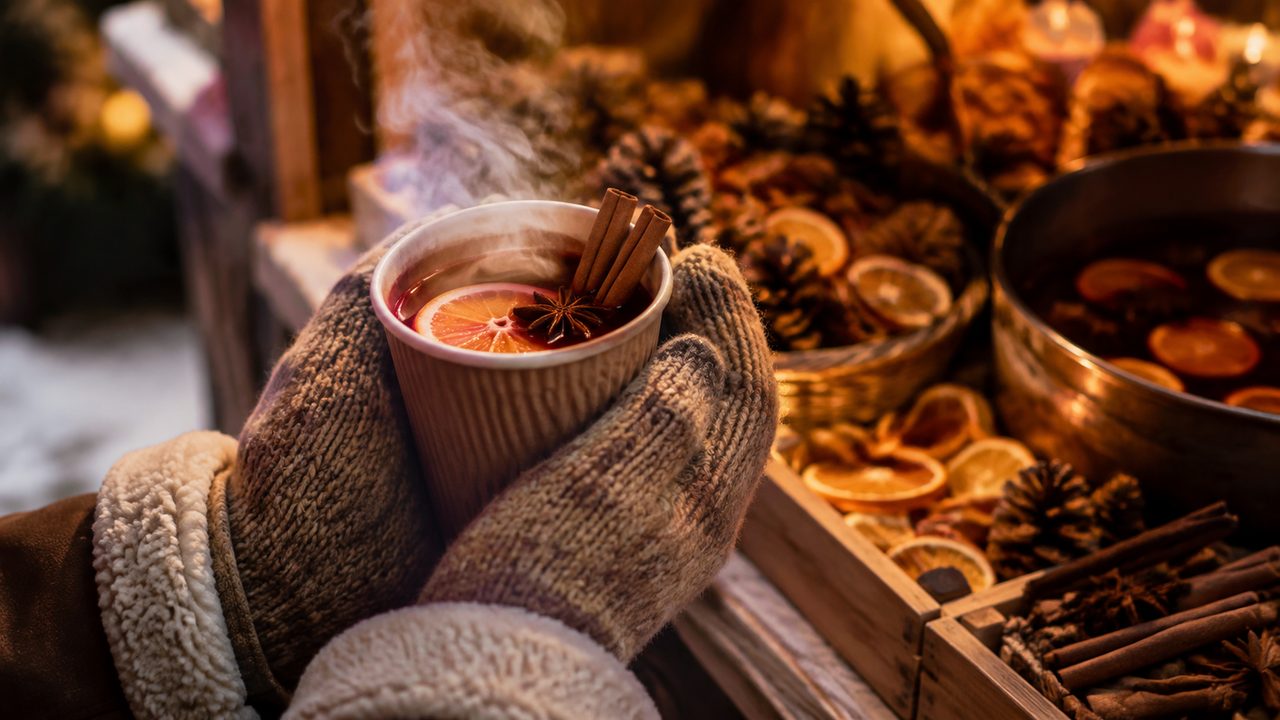
The single biggest mistake is a coat that is warm enough for the walk to the car but not for standing still. Layer: thermal base, sweater, windproof shell. The feet decide everything — cobblestones and cold pavement punish thin shoes, so wear insulated boots with grip. Gloves beat pockets, because you will be holding a mug. And keep your phone in an inner pocket: the cold drains batteries fast, and a dead phone at a foreign market square is a miserable way to end an evening.
Learn the deposit system
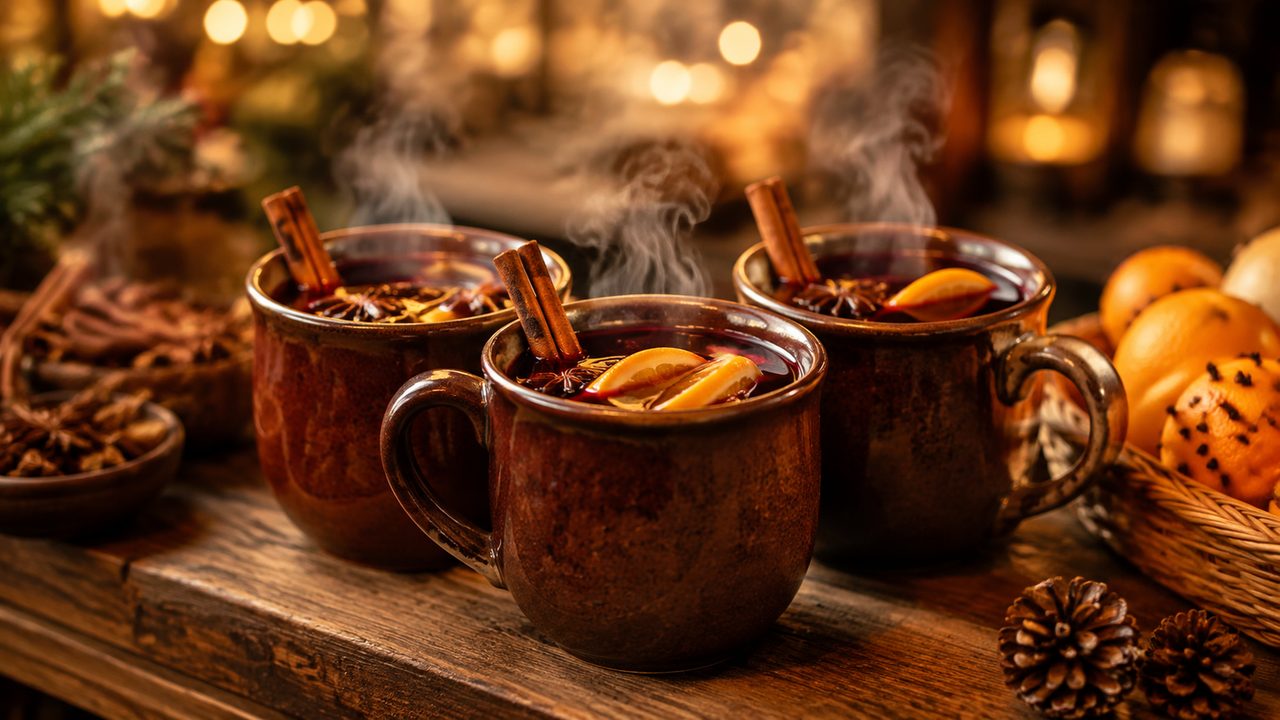
In Germany, Austria and much of central Europe, your first mulled drink costs a few euros more than the drink. That is the Pfand, the deposit on the mug. You can return the mug to the stand for the money back, or keep it — the designs change by city and year, and a shelf of them is the best souvenir the markets offer. Return it to the same stand that issued it; most will take any mug back, but a few won't, so do not mix them up.
Cash beats cards
Small stalls still prefer cash, and in many markets a card terminal is the exception rather than the rule. Bring small notes; a €50 bill at a €4.50 sausage stand gets you a look that needs no translation. Every market has ATMs nearby, but they charge, so withdraw once and budget the trip. Keep the local currency in small denominations in an easy pocket — not buried in a backpack you have to open in a crowd.
Timing is everything
Ten in the morning is for photographs and empty lanes; eight at night is for lights, atmosphere and the real market. Saturdays in December are the worst day everywhere, and the last two weekends before Christmas are worse still. Many markets close on 24 December at noon or 2pm, and some shut entirely on Christmas Day — check the opening hours for the specific market before planning the final days of a trip. The first week of December is the sane window: everything is open, the queues are short, and the mood is up.
Eat strategically
Queue once for food and once for drink, then carry both to the edge of the square — the middle is where people stop and block the flow. Share the fried things; the portions are generous and the sugar-and-oil combo stops being fun by the third bite. If two stands sell the same thing, the queue tells you which is better. And buy the mulled wine from a stall that is actually simmering wine, not pouring from a dispenser; you can smell the difference.
Staying warm and dry
Plan warm-up stops: churches, museums and cafés are the free or cheap ones, and most old towns have a cathedral that is open in the evening. A mid-evening break of hot chocolate or coffee is not a luxury, it is logistics. If the forecast says rain, go anyway — the stalls keep selling and the crowds drop. Just bring a hood that works with a hat, because umbrellas and market crowds do not mix.
Crowds and accessibility
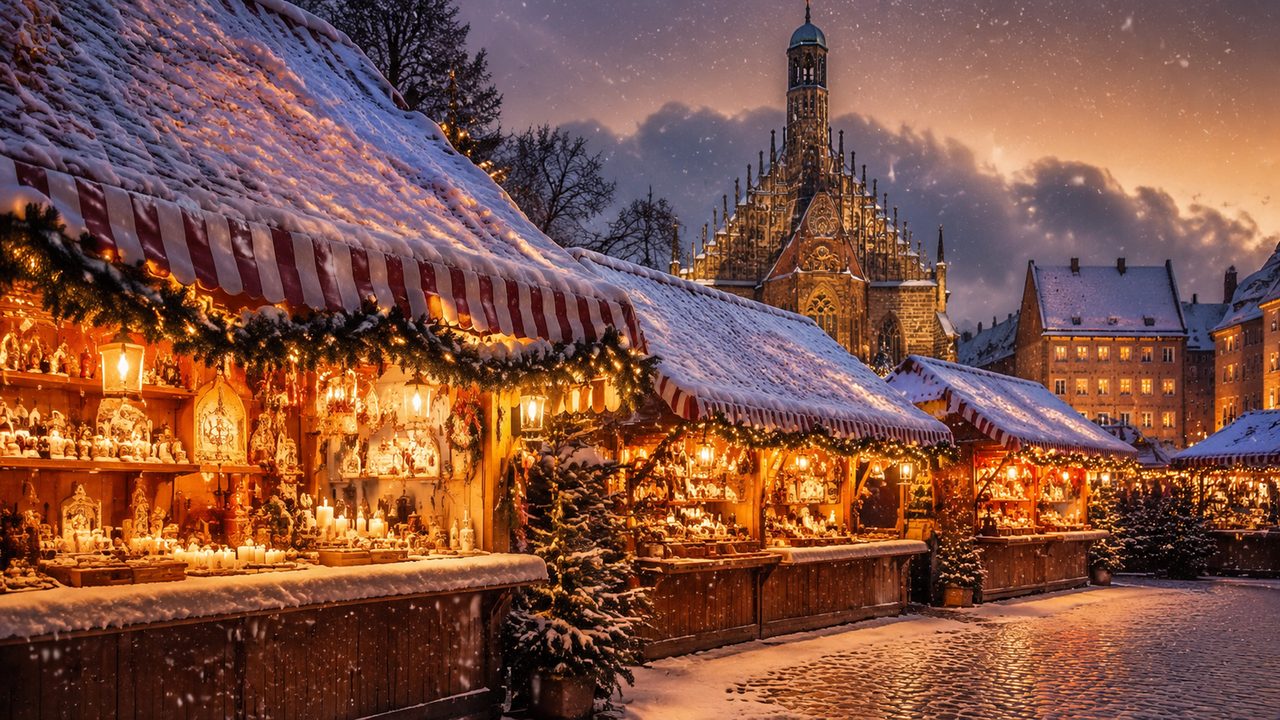
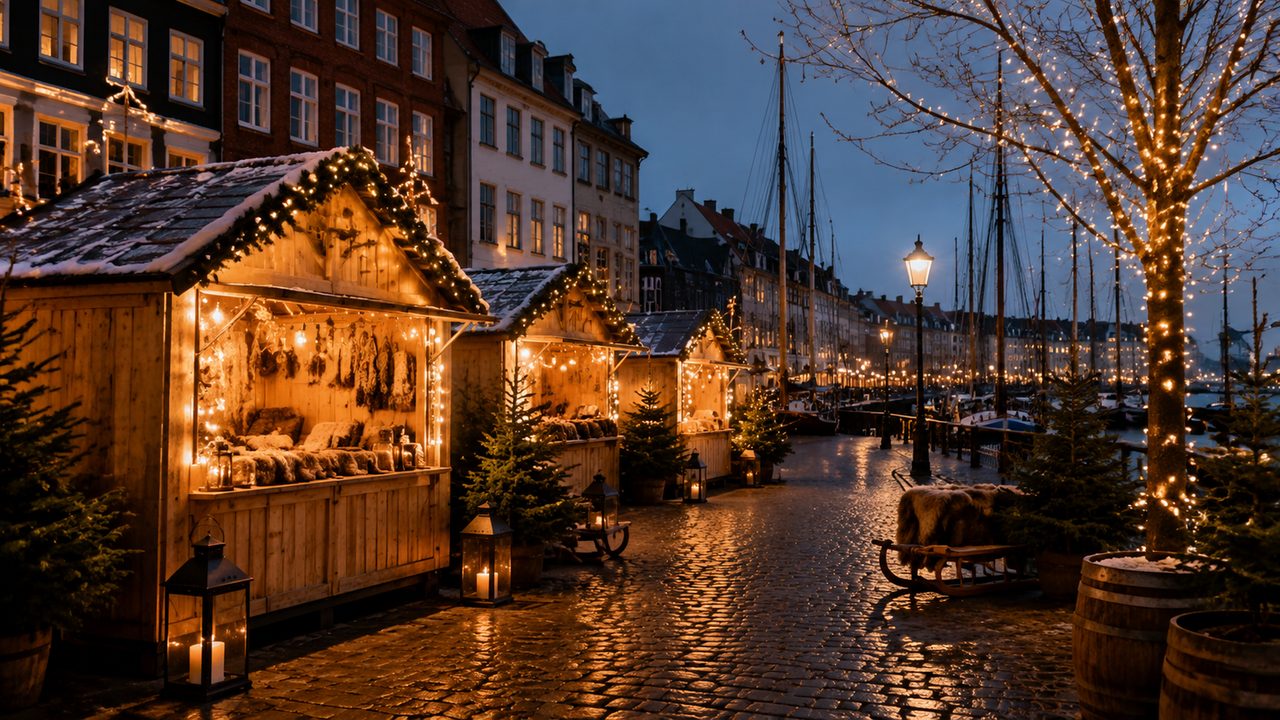
Cobbles are uneven, lanes are narrow and queues are long. Pick a meeting point if you split up — the tree, the fountain, the church steps all work. Pushchairs are fine on the main squares and hopeless in the narrow lanes; parents should plan the wide routes. And accept that the market is the destination: the evening that works is the one spent slowly, in one place, watching the lights come on.
Before you go
Check the official city tourism site for dates and opening hours — they shift every season. Distinguish the official market from the pop-up stalls that borrow its name and parking lot. Book accommodation early for the last two weekends of Advent, when the hotels fill and the prices climb. And set one rule for yourself: one market, one drink, one thing to eat, and the evening is already better than most people's.