On this page
Why Vienna comes alive after dark
Vienna's markets are pleasant in daylight and close to magical after dark, when the baroque facades catch the market lights and the city's evening mood — formal, waltzing, slightly theatrical — takes over. The hours matter: many markets stay open until 21:00 or 22:00, and the best versions of them happen in the final two hours, when the families leave and the squares fill with people who are actually there to drink and talk rather than to take photographs.
Rathausplatz: the big one
The Wiener Christkindlmarkt in front of the City Hall is the city's flagship: roughly 150 stalls in the park, running from mid-November to 23 December in recent seasons. The Rathaus facade hosts a nightly light show, the trees are wrapped in lights, and the Eistraum ice rink — which stays open into January — fills the rest of the square. Skate at 9pm on a weekday and you will have the rink mostly to yourself; the combination of a mulled punch and a late skate is the best-value evening in the city.
Stall food here runs to the reliable Viennese winter set: Kartoffelpuffer with applesauce, roast chestnuts, Kaiserschmarrn torn from the pan. The queues at the Rathaus stalls are long but fast; pick the stand that looks like it is run by a family, not a franchise.
The palace markets
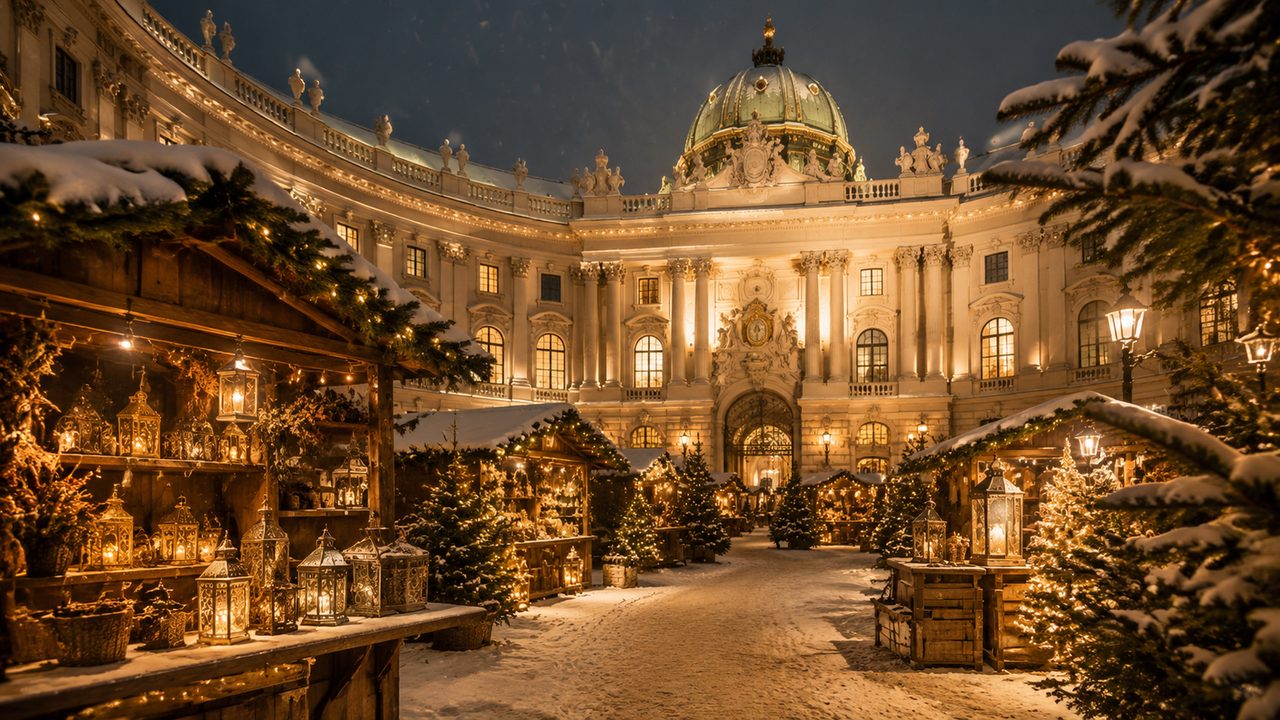
Two imperial sites do quieter versions. The Christmas village at Belvedere Palace, set against the white baroque facade and the formal gardens, is the best-looking market in the city and runs until just after Christmas. Schönbrunn's market, in the courtyard of the Habsburg summer palace, is the most photogenic and in recent seasons has kept going into early January — useful if your trip straddles the new year. Both are smaller and calmer than Rathausplatz, with a higher share of craft stalls and fewer tour groups.
Karlsplatz and Spittelberg
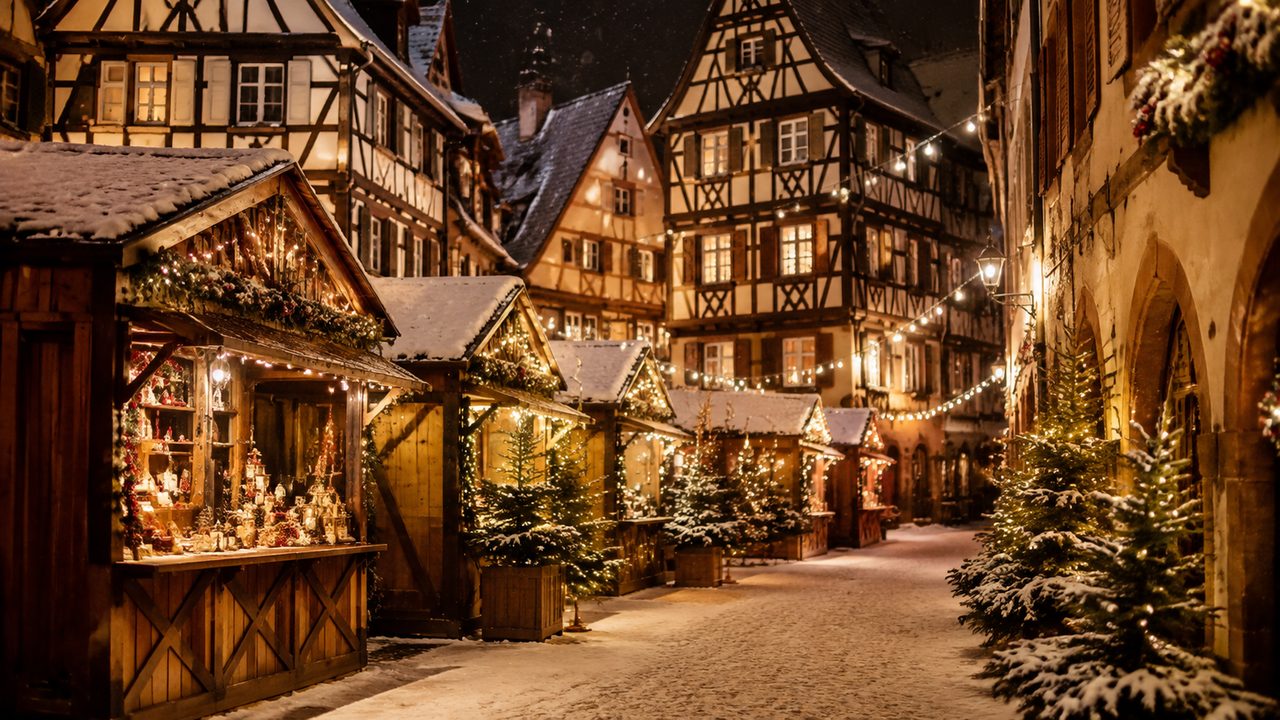
The Art Advent market at Karlsplatz, in front of the Karlskirche, focuses on design and handmade gifts; it is where Viennese shoppers go for ceramics, jewellery and children's toys rather than snow-globe souvenirs. Spittelberg, in the 7th district, is the atmospheric one: a knot of narrow Biedermeier lanes where the stalls crowd between the old houses. It is cramped, cobbled and wonderful after 8pm, with the city's best hot punch poured from wooden barrels in the laneways. The villages at the Maria-Theresien-Platz and in the MuseumsQuartier are quick stops between the big two.
Punsch: Vienna's answer to Glühwein
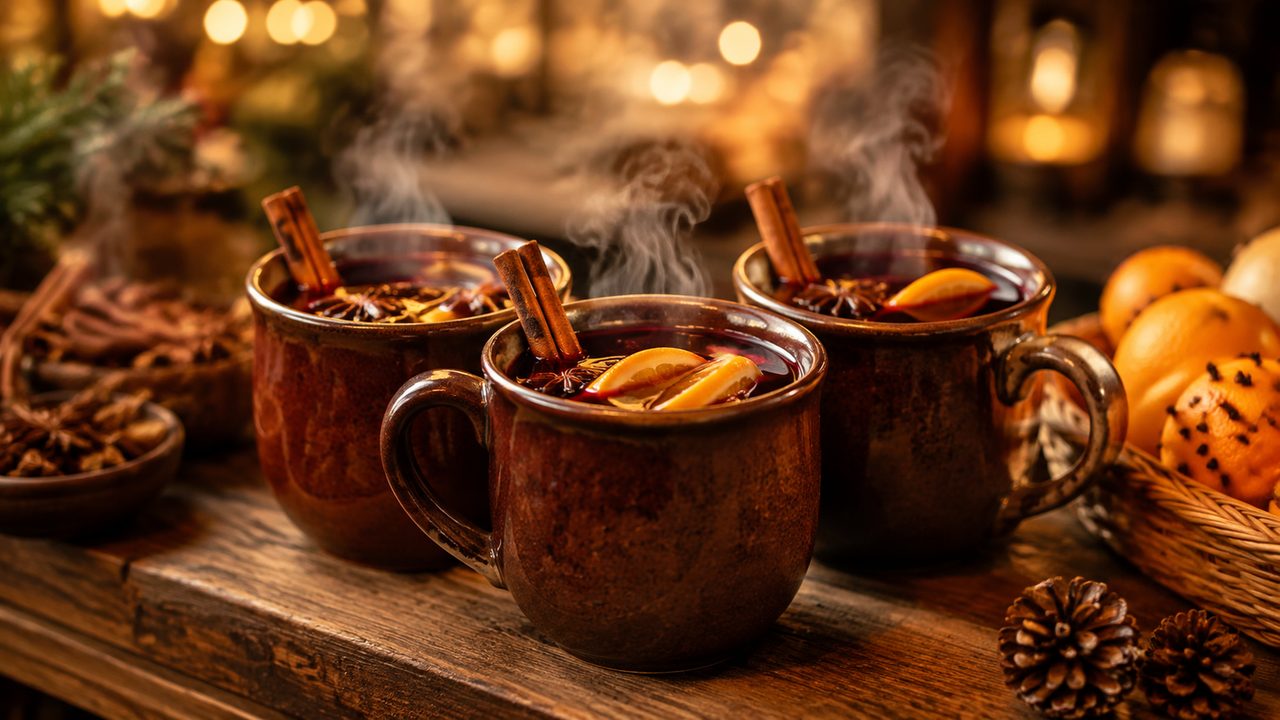
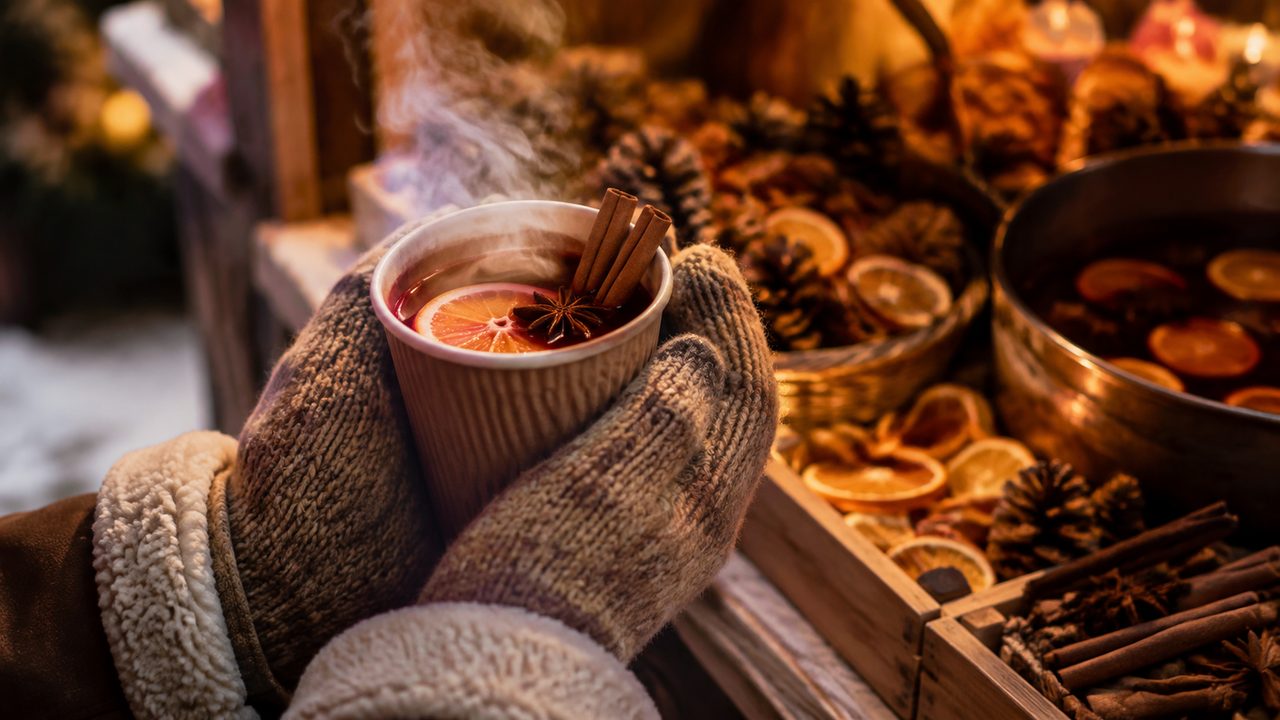
Vienna's mulled drink is Punsch, and it is a different beast from German Glühwein. The base is often a fruit wine or juice — orange, cherry, berry — warmed with rum and spices, sweeter and more perfumed. The Kaiserkirsche, a dark cherry version with a proper kick of rum, is the one locals order most. Mugs carry a deposit of a few euros and are worth collecting: Viennese market mugs are designed rather than branded, and the designs change every year.
Food after dark
In the evening the stalls lean into the dinner menu: Kartoffelpuffer with sour cream or applesauce, Maroni roasted over open flames and eaten from paper cones, Bauernkrapfen, and the sleeper hit — thick hot chocolate with a shot of rum. Most of the big stalls take cards these days, but the small ones still prefer cash, and the Spittelberg barrels are cash-only in most seasons.
Practical notes
Check each market's official page before you go; dates shift slightly from year to year, and some villages open a week earlier than others. The U-Bahn and trams run late, and the markets are free to enter. The best night route is Spittelberg for punch, Rathausplatz for the light show and a skate, then Belvedere for the quiet version last, when the crowds have thinned. Wear a hat — the Viennese cold is damp, and the evening hours are when it bites.